Introduction & Mission
Puerto Rico has always been rich in sunlight, culture, and resilience, yet its energy system has long been tied to imported oil and diesel. Every year, billions of dollars leave the island to pay for foreign fuel. This not only creates some of the highest electricity costs in the United States, but also leaves Puerto Rico vulnerable to global oil price swings and supply chain disruptions. After every hurricane or grid failure, the island’s dependence on fossil fuels becomes painfully clear.
But Puerto Rico’s greatest weakness can now become its greatest strength. With its abundant sun, steady winds, and access to water, the island has everything it needs to power itself — not just during the day, but around the clock. Our Subsurface Hydrogen Battery system captures excess solar energy, stores it safely as hydrogen, and then releases it back as clean electricity when it is needed most. This means homes, hospitals, businesses, and schools can finally depend on a resilient, renewable power source — day and night.
The mission goes beyond electricity. The byproduct of burning hydrogen is pure water, which opens new doors for agriculture, clean drinking supplies, and food security. Add to this the jobs created through construction, maintenance, and local manufacturing, and you have a system that not only powers Puerto Rico but strengthens its economy from within. Unlike imported fuel, which drains resources out of the island, this project keeps the value here — building skills, careers, and community wealth.
Our vision is clear: energy independence, economic self-reliance, and environmental leadership. With the right investment, Puerto Rico can step away from a fuel-dependent past and become a model for clean energy nations across the world.
The Challenge:
Puerto Rico’s Oil Dependence
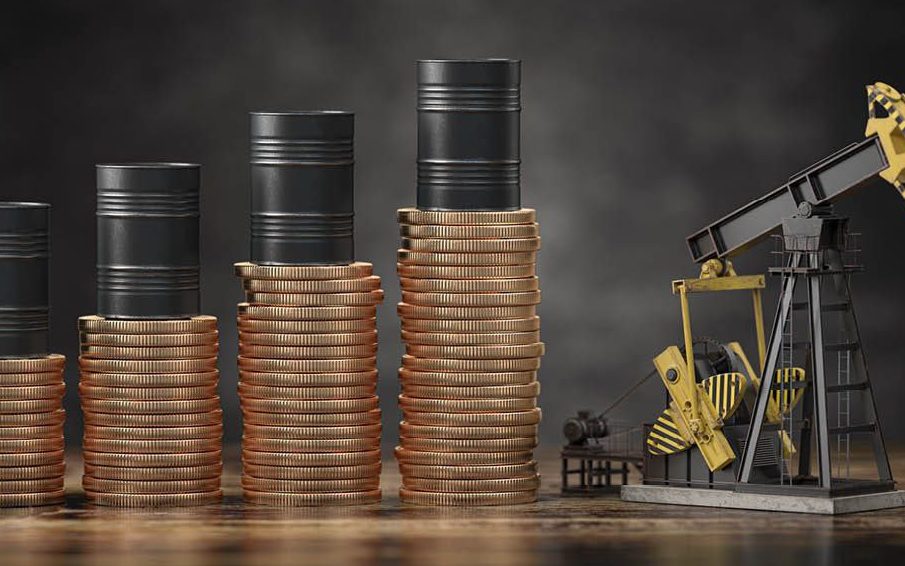
Puerto Rico’s energy grid relies overwhelmingly on imported oil and diesel to generate electricity. More than 95% of the island’s power is fueled this way, making Puerto Rico one of the most oil-dependent regions in the Western Hemisphere. This dependency creates a double burden: high costs and high vulnerability.
Electricity prices in Puerto Rico average almost double the U.S. mainland, leaving households and businesses with bills that weigh heavily on family budgets and limit economic growth. Every gallon of oil must be shipped in, and when global fuel prices rise, Puerto Ricans feel it immediately. The result is an economy constantly at the mercy of external markets.
The situation is further complicated by geography. Hurricanes and tropical storms not only damage transmission lines but also disrupt oil supply chains. Ships may be delayed for weeks, leaving communities without stable power when it is needed most. In the aftermath of Hurricane Maria, energy insecurity became a national crisis, with families waiting months for reliable electricity to return.
Beyond costs and risks, the environmental impact is steep. Burning imported fuel contributes to local air pollution and adds to global carbon emissions. Meanwhile, Puerto Rico spends billions of dollars every year on oil purchases—money that flows out of the island instead of being reinvested into its own economy.
The Math
Puerto Rico’s grid still relies heavily on imported oil, often costing $180–$260 per megawatt-hour (MWh) to generate power. That means millions of dollars flow out of the island every year just to keep the lights on.
Our hydrogen system flips this model. By using daytime solar and wind to produce green hydrogen, storing it underground, and then converting it back into electricity at night, Puerto Rico can replace that expensive oil.
Here’s what it looks like in simple terms:
Nighttime Power Need: ~300 MW of steady power (≈3,600 MWh every night).
Solar/Wind Input: Around 2–3 GW of new renewables is enough to generate the hydrogen needed.
Storage: Subsurface hydrogen storage holds enough energy for multiple days of backup.
Round-trip Efficiency: 25–35% (standard for hydrogen systems today).
That means Puerto Rico invests once in infrastructure, and instead of sending hundreds of millions abroad for oil, the money stays in the local economy—building, operating, and recycling the system right on the island. Over time, as technology costs keep dropping, the economics only get stronger.
Water & Agriculture Benefits
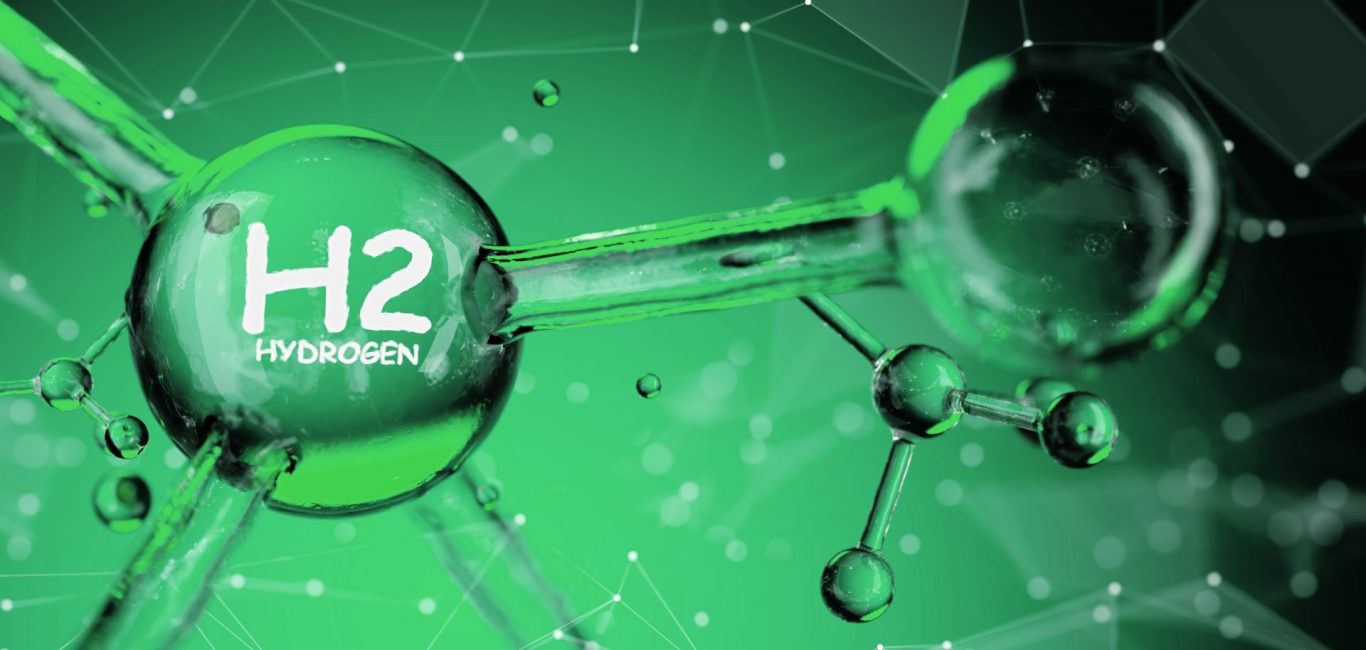
One of the often-overlooked strengths of hydrogen energy is the water it gives back. When hydrogen is produced through electrolysis, the byproduct of its use in fuel cells or combustion is pure, clean water. For Puerto Rico, this is more than a technical detail — it is a transformative advantage.
Instead of relying solely on costly imports or intensive filtration systems, every unit of hydrogen generated and used creates a stream of fresh water. This resource can be directed toward agriculture, reducing drought vulnerability and giving local farmers a reliable supply for irrigation. In an island environment where hurricanes and natural disruptions can strain existing water systems, this resilience is critical.
Beyond farming, fresh water from hydrogen can also support local communities directly, reducing pressure on municipal supplies. It creates opportunities for new green industries, such as hydroponics and vertical farming, that depend on clean water availability. In effect, Puerto Rico is not just investing in clean energy — it is investing in sustainable food systems and long-term resource security.
Jobs
&
Economic Impact
One of the biggest strengths of the Subsurface Hydrogen Battery (SHB) is that it can be built, maintained, and operated entirely in Puerto Rico. Once the steel and raw materials are in hand, everything—from the bioelectrics to the metal spheres—can be produced, recycled, and reused on the island.
This means thousands of construction jobs during setup and long-term skilled careers in operations, maintenance, and safety once the plants are running. Instead of importing fuel and sending money offshore, Puerto Rico would be keeping that value local, putting it directly into the hands of workers, families, and small businesses.
Every hydrogen storage unit becomes more than energy—it’s also an economic anchor. Steel spheres can be remelted and reused, bioelectrics can be manufactured in local shops, and ongoing operations will drive demand for local suppliers and services.
At its core, the SHB project is designed so Puerto Rico doesn’t just buy clean energy—it owns the process. That means stable power, new industries, and a stronger local economy for generations to come.

Math & Payback: Why the Numbers Work
Puerto Rico currently spends between $2–3 billion each year on imported oil to keep the lights on. That money leaves the island immediately, flowing into foreign suppliers and providing little to no return for Puerto Rico’s economy. With a Subsurface Hydrogen Battery (SHB) system, that same level of spending could be transformed into infrastructure that pays itself back within just 3–5 years.
Here’s how the numbers break down: building an SHB network large enough to replace the bulk of Puerto Rico’s oil reliance would require a one-time investment of approximately $3–4 billion. At first glance, that number may sound large — but when compared to the $2–3 billion already spent each year on oil, it becomes clear how quickly the system pays back. By year three, the money that would have been spent on imports equals the upfront build cost. By year five, the project has already turned into a net savings engine, protecting Puerto Rico from price shocks while stabilizing long-term energy costs.
The true difference lies in where the money goes. Under the current oil system, nearly every dollar exits the island. Under the SHB model, around 95% of the total project value stays in Puerto Rico. Materials such as steel and specialized components are imported once, but the vast majority of ongoing costs — construction, operation, maintenance, recycling, fabrication of bioelectroids, and job creation — are all performed locally. Every dollar spent on hydrogen infrastructure circulates back into wages, contracts, and government revenue rather than disappearing overseas.
That means this isn’t just an energy project — it’s an economic reinvestment plan. Instead of writing billion-dollar checks to foreign oil companies every year, Puerto Rico reinvests those same billions into itself, creating tens of thousands of jobs, expanding technical expertise, and funding long-term economic stability. Within five years, the island is no longer dependent on imported oil, has a reliable renewable-based power system, and generates fresh water as a natural byproduct of hydrogen use.
In short: the money Puerto Rico spends either way is unavoidable — but with SHB, it stops being a loss and becomes an investment in the island’s future.
Tourism & Global Showcase
Puerto Rico is already world-renowned for its natural beauty, culture, and hospitality. By becoming the first nation to implement the Subsurface Hydrogen Battery system, it would add a new dimension to its global appeal: energy innovation.
Energy conferences, technology expos, and global delegations would travel to Puerto Rico to witness the system firsthand. The SHB pilot would become a showcase hub, attracting visitors ranging from scientists and investors to journalists and students eager to study the breakthrough.
This “innovation tourism” would generate new streams of income for hotels, restaurants, and local businesses. More importantly, it positions Puerto Rico as not just a vacation destination, but as a symbol of forward-thinking leadership in renewable energy. Tourists would not only enjoy the beaches but also leave with the story of how Puerto Rico became the birthplace of a global energy shift.

Closing
This proposal represents only a preview of what the Subsurface Hydrogen Battery system can deliver. The numbers, models, and projections shared here are meant to provide a clear vision of the benefits: energy independence, reduced reliance on imported oil, fresh water as a byproduct, thousands of local jobs, and revenue that cycles directly back into Puerto Rico’s economy. Behind this overview lies a much deeper body of technical data, engineering calculations, and implementation strategies that are available to those who wish to move forward.
What makes this opportunity unique is not only the technology itself, but the role Puerto Rico can play in leading the world toward a new energy future. By becoming the first place to launch a pilot project, Puerto Rico establishes itself as the global example of what is possible. To recognize that leadership, I am offering Puerto Rico a permanent equity share in every Subsurface Hydrogen Battery facility built in the future. This means that beyond the immediate benefits of clean power and jobs, Puerto Rico will have a lasting stake in the growth of this technology worldwide.
The choice is simple but powerful: to take the lead, to build the first, and to let the world see what a new model of energy can look like. If Puerto Rico steps forward, history will remember this island as the place where the future of energy began